
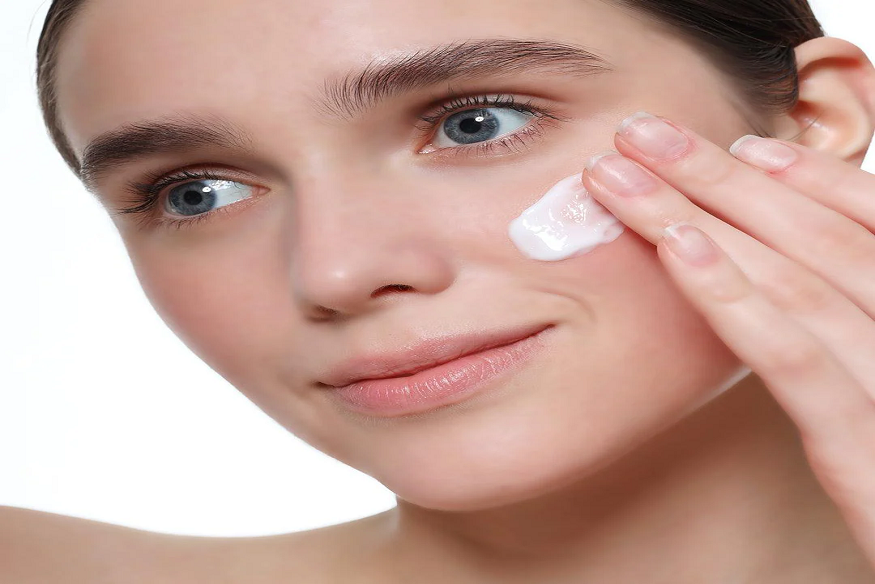
Pigmentation is a common skin concern that affects people of all ages and skin types. Whether it appears as dark spots, uneven tone, or patches, understanding issues related to pigmentation on the face is the first step toward effective treatment and prevention.
What Causes Pigmentation?
Pigmentation occurs when melanin production becomes uneven or excessive. Several factors can trigger this imbalance:
- Sun exposure: UV rays stimulate melanin production, leading to dark spots
- Hormonal changes: Common during pregnancy or with certain medications
- Post-inflammatory marks: Caused by acne, cuts, or skin irritation
- Aging: Leads to sunspots and uneven skin tone over time
- Genetics: Some individuals are more prone to discoloration
Identifying the root cause of pigmentation on the face helps in choosing the right treatment approach.
Read More:Face Cleanser and Toner for Oily Skin: The Perfect Skincare Routine for Clear Skin
Types of Pigmentation
Different forms of pigmentation require different care strategies. The most common types include:
- Melasma: Symmetrical patches often triggered by hormones and sun exposure
- Post-inflammatory hyperpigmentation (PIH): Dark spots left behind after acne or injury
- Sunspots (age spots): Caused by prolonged UV exposure
- Freckles: Small, concentrated spots that may darken with sun exposure
Recognizing these types can help tailor your skincare routine more effectively.
Best Ingredients in Pigmentation Creams
A well-formulated pigmentation cream can help reduce discoloration and even out skin tone. Look for these key ingredients:
- Vitamin C: Brightens skin and reduces dark spots
- Niacinamide: Improves skin tone and strengthens the barrier
- Alpha arbutin: Helps lighten hyperpigmentation
- Kojic acid: Targets melanin production
- Retinol: Promotes cell turnover and fades discoloration
Using a targeted pigmentation cream consistently can visibly improve skin clarity over time.
How to Use Pigmentation Creams Effectively
To get the best results from your products:
- Apply on clean, dry skin after cleansing
- Use once or twice daily, depending on the formulation
- Follow with a moisturizer to prevent dryness
- Always apply sunscreen during the day to protect your skin
Consistency is essential when treating pigmentation on the face, as results may take several weeks to appear.
Skincare Routine for Pigmentation
A simple routine can help manage and prevent pigmentation:
Morning Routine:
- Gentle cleanser
- Brightening serum (with vitamin C or niacinamide)
- Lightweight moisturizer
- Broad-spectrum sunscreen (SPF 30 or higher)
Evening Routine:
- Cleanser
- Treatment serum or pigmentation cream
- Moisturizer
Tips to Prevent Pigmentation
Preventing pigmentation is just as important as treating it:
- Use sunscreen daily, even on cloudy days
- Avoid picking or touching your skin to prevent marks
- Limit sun exposure, especially during peak hours
- Wear protective clothing like hats or sunglasses
- Be consistent with skincare products
These habits can significantly reduce the chances of recurring pigmentation on the face and related concerns.
Read More:How To Find Your Perfect Foundation Shade Online?
Conclusion
Pigmentation may take time to treat, but with the right approach, it can be effectively managed. Understanding the causes, identifying the type, and using a high-quality pigmentation cream can make a noticeable difference. By combining targeted treatments with sun protection and a consistent routine, you can achieve a clearer, more even complexion over time.