
Christmas is often described as the most wonderful time of the year, yet the weeks leading up to it can feel surprisingly stressful. Between shopping, decorating, organizing gatherings, and managing everyday responsibilities, it is easy to lose sight of the moments that make the holiday season special. Embracing slow living at Christmas offers an opportunity to simplify celebrations, create meaningful traditions, and enjoy a more peaceful festive atmosphere.
Slow living does not mean abandoning Christmas activities or avoiding celebrations. Instead, it encourages people to be intentional about how they spend their time, money, and energy. By focusing on meaningful experiences rather than endless obligations, families can create a holiday season that feels more personal and rewarding.
What Does Slow Living Mean During Christmas?
Slow living is a lifestyle philosophy centered on intentional choices, simplicity, and appreciating everyday experiences. During Christmas, this approach encourages people to prioritize meaningful traditions rather than trying to create a perfect holiday.
Read More: Why More Brits Are Taking Up Golf This Autumn (And What to Wear)
For some families, slow living might involve spending more evenings at home, preparing traditional recipes, or reducing the number of social commitments. Others may choose handmade decorations, thoughtful gifts, or activities that encourage family interaction.
The goal is not to eliminate excitement but to create enough space to enjoy it. A simpler Christmas can still feel festive, beautiful, and memorable.
- Create a Peaceful Advent Routine
Advent offers a natural opportunity to slow down before Christmas. Traditionally observed during the four Sundays preceding Christmas, this Christian season emphasizes preparation, reflection, and anticipation.
Families can establish a simple Advent routine by lighting candles, reading seasonal reflections, or setting aside a few quiet moments each evening. These activities provide a welcome contrast to the commercial excitement surrounding the holidays.
An Advent wreath can become a beautiful centerpiece for this tradition. The gradual lighting of candles helps mark the passage of time while encouraging reflection.
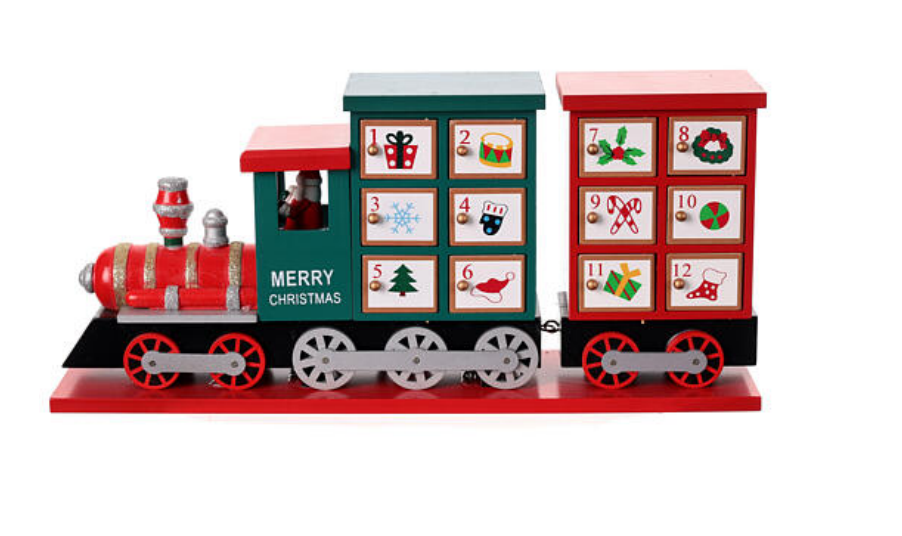
For those interested in traditional Christian decorations, Holyart offers Advent wreaths, Advent calendars, nativity scenes, and other seasonal handcrafted items. Incorporating meaningful decorations into family routines can help connect Christmas celebrations with their spiritual origins.
- Rediscover the Pleasure of Reading
Christmas provides an ideal opportunity to rediscover the pleasure of reading. A comfortable chair, warm blanket, and favorite book can transform an ordinary winter evening into a relaxing personal ritual.
Consider creating a seasonal reading list featuring classic literature, Christmas stories, inspirational books, or reflective essays. Choosing books that encourage imagination and thoughtful reflection can make the experience particularly rewarding.
Families with children might establish a Christmas story tradition. Reading a different holiday book each evening creates anticipation while encouraging quality time together.
Adults can also enjoy exchanging books as gifts. A carefully selected novel or beautifully illustrated edition often feels more personal than an expensive but impersonal purchase.
- Decorate Your Home with Intention
Holiday decorating can become overwhelming when every room is expected to resemble a magazine photograph. Slow living encourages a more selective approach, focusing on decorations that hold personal meaning.
Begin by choosing a few favorite pieces that you genuinely enjoy displaying. These might include inherited ornaments, handmade decorations, or objects collected during memorable travels.
Natural materials such as greenery, pinecones, and wooden ornaments can create a welcoming atmosphere without excessive spending. Their simplicity works beautifully with both modern and traditional interiors.
Decorating can also become a family activity rather than another task on a busy schedule. Playing Christmas music, sharing memories, and preparing homemade treats can turn the experience into a cherished tradition.
- Make Christmas Gifts More Meaningful
Gift shopping often becomes one of the most stressful aspects of Christmas. Crowded stores, advertising campaigns, and pressure to purchase expensive presents can distract from the purpose of giving.
A slow Christmas encourages thoughtful gift selection. Rather than buying numerous items, consider choosing fewer presents that reflect the recipient’s personality, interests, and values.
Handmade gifts can be especially meaningful. Homemade preserves, knitted accessories, personalized photo albums, and handwritten letters communicate care through the time invested in creating them.
Experiences are another excellent option. Cooking classes, museum visits, shared meals, and family outings can create memories that last longer than many physical possessions.
- Bring Back Traditional Christmas Baking
Preparing homemade food is one of the simplest ways to embrace a slower holiday season. Baking encourages people to spend time in the kitchen, enjoy familiar aromas, and share something created with care.
Traditional Christmas cookies, gingerbread, fruitcakes, and regional holiday recipes can connect families with their cultural heritage. Recipes passed down through generations often become treasured parts of seasonal celebrations.
Invite children to participate in age-appropriate tasks such as decorating cookies or mixing ingredients. The results do not need to look perfect to create wonderful memories.
Baking can also become an opportunity for generosity. Sharing homemade treats with neighbors, friends, or relatives offers a personal alternative to store-bought presents.
- Spend More Time Outdoors
Although winter weather varies by location, spending time outdoors can provide a refreshing break from indoor holiday activities. Walking through decorated neighborhoods, visiting local parks, or exploring Christmas markets can create enjoyable seasonal experiences.
A family walk after dinner can become a simple tradition. It provides an opportunity to talk, appreciate seasonal decorations, and enjoy time away from electronic devices.
Nature also offers inspiration for holiday decorating. Fallen branches, pinecones, and other responsibly collected natural materials can be incorporated into simple arrangements.
For families living in warmer climates, outdoor picnics or beach walks may provide an alternative to traditional winter activities. The important element is spending intentional time together.
- Reduce Digital Distractions
Technology can make Christmas planning easier, but constant notifications and social media comparisons can also contribute to seasonal stress. Setting healthy boundaries around screen time may help families become more present.
Consider establishing phone-free periods during meals, family activities, or evening conversations. These moments encourage attention and make shared experiences feel more meaningful.
Social media can create unrealistic expectations about decorating, gift giving, and holiday celebrations. Remember that carefully styled photographs rarely reflect the full reality of family life.
Instead of documenting every activity, choose a few moments to photograph and enjoy the rest without interruption. Some of the most memorable experiences are those that receive our complete attention.
- Create a Meaningful Christmas Eve Tradition
Christmas Eve offers a wonderful opportunity to bring slow living principles together. Rather than filling the evening with last-minute preparations, establish a routine that encourages calm and connection.
Families might enjoy a simple dinner, attend a religious service, read a Christmas story, or exchange one meaningful gift. The tradition should reflect personal beliefs and preferences.
Lighting candles, listening to seasonal music, and sharing favorite memories can create a warm atmosphere. These activities require little expense but can become deeply meaningful over time.
Consistency helps traditions develop emotional significance. Repeating a favorite Christmas Eve activity each year creates anticipation and strengthens family connections.
Conclusion
Slow living at Christmas encourages families to celebrate with greater intention, simplicity, and appreciation. By embracing meaningful Advent routines, traditional baking, thoughtful gifts, and peaceful family activities, the holiday season can become less stressful and more fulfilling.
The most memorable Christmas celebrations are rarely defined by elaborate decorations or expensive presents. They are shaped by shared experiences, personal traditions, and the opportunity to enjoy time with the people who matter most.
